
What high-value home insurance actually covers (and what a standard policy misses)
High-value homes carry risks that standard policies were never designed for. Here is what changes when you insure a home worth protecting.
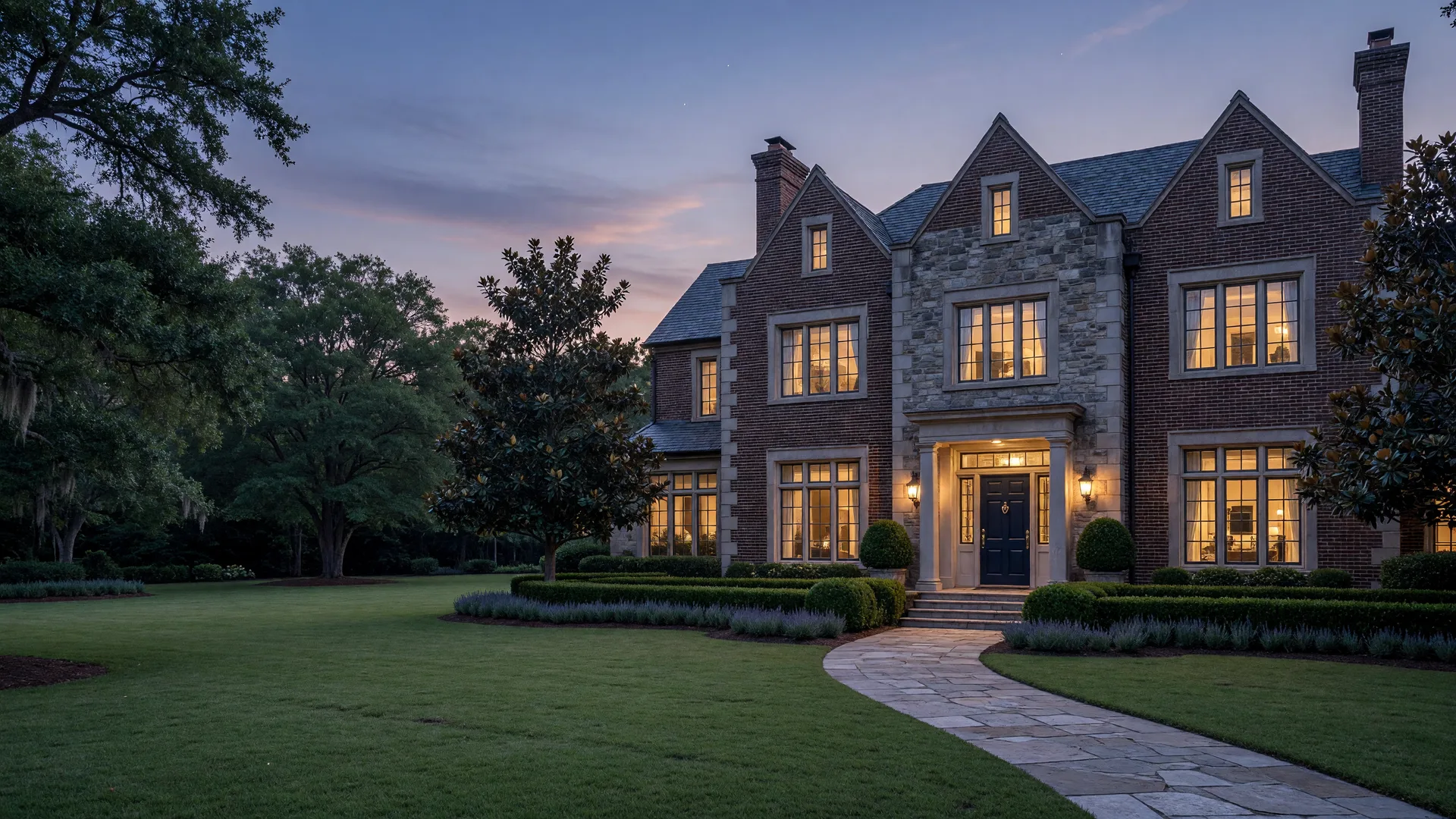
If your home has custom finishes, expensive systems, or a replacement cost that runs well into seven figures, a standard homeowners policy may not be built for it. High-value home insurance is a different conversation: it is coverage designed around the way a fine home is actually constructed, furnished, and lived in. Here is what that means, in plain language.
What makes a home high value to an insurer
There is no single number that makes a home high value. Insurers look at replacement cost, square footage, custom construction, high-end finishes, and the cost of rebuilding in your specific area of Georgia. A 4,000 square foot home with custom millwork, stonework, and premium systems can cost far more to rebuild than its market price suggests, and that gap is where most coverage problems begin.
The key number to understand is replacement cost, not market value. Market value includes land, location, and demand. Replacement cost is what it would take to rebuild the home as it stands today. A policy built on the wrong number leaves you exposed, no matter how good the carrier is.
What high-value programs typically address
High-value home programs exist because fine homes need more than a standard policy can offer. Common areas of difference include higher limits for dwelling and contents, coverage that accounts for custom finishes and upgraded materials, options for replacement cost on contents and structures, and higher liability limits to match the home's profile.
They also tend to come with a level of service that matters when something goes wrong: an advisor who understands the property, clear documentation of what is covered, and a claims experience built for larger, more complex losses.
- Replacement cost built around your home's actual construction, not a generic estimate
- Coverage that reflects fine finishes, custom millwork, and upgraded systems
- Higher contents limits for furnishings, art, and personal property
- Liability limits sized to the home and the way you use it
The questions worth asking your advisor
A high-value review is really a conversation about how your home is built and how you live in it. Come prepared with questions, and expect your advisor to ask some of their own.
- Is my dwelling limit based on replacement cost, and is that number current?
- How would a total loss be handled, and what documentation do I need to keep?
- Are outbuildings, pools, and detached structures covered at a level that matches them?
- What happens to my coverage while the home is under renovation?
- Do I need separate policies for art, jewelry, or other collections?
“The single biggest mistake I see is a dwelling limit that was set when the home was purchased and never revisited. Rebuilding costs move. Coverage should move with them.”
Marcus Head
Common questions
Is high-value home insurance worth the higher premium?
For many owners of fine homes, the broader, more precise coverage simply does more work when it matters most. Whether it is worth it depends on your home's construction, your assets, and your tolerance for gaps. That is exactly what a review is for.
How often should I review my home coverage?
At least once a year, and any time you renovate, build a structure, add a pool, or acquire significant new contents. Life changes faster than policies do.
Keep reading
More from the desk

Umbrella insurance: the quiet layer that protects what you've built
5 min read
Insuring jewelry, art, and collections: a plain-language guide to personal articles coverage
5 min read