
Insuring jewelry, art, and collections: a plain-language guide to personal articles coverage
Standard policies put a ceiling on jewelry and art. Scheduled personal articles coverage treats a collection as the valuable it is.
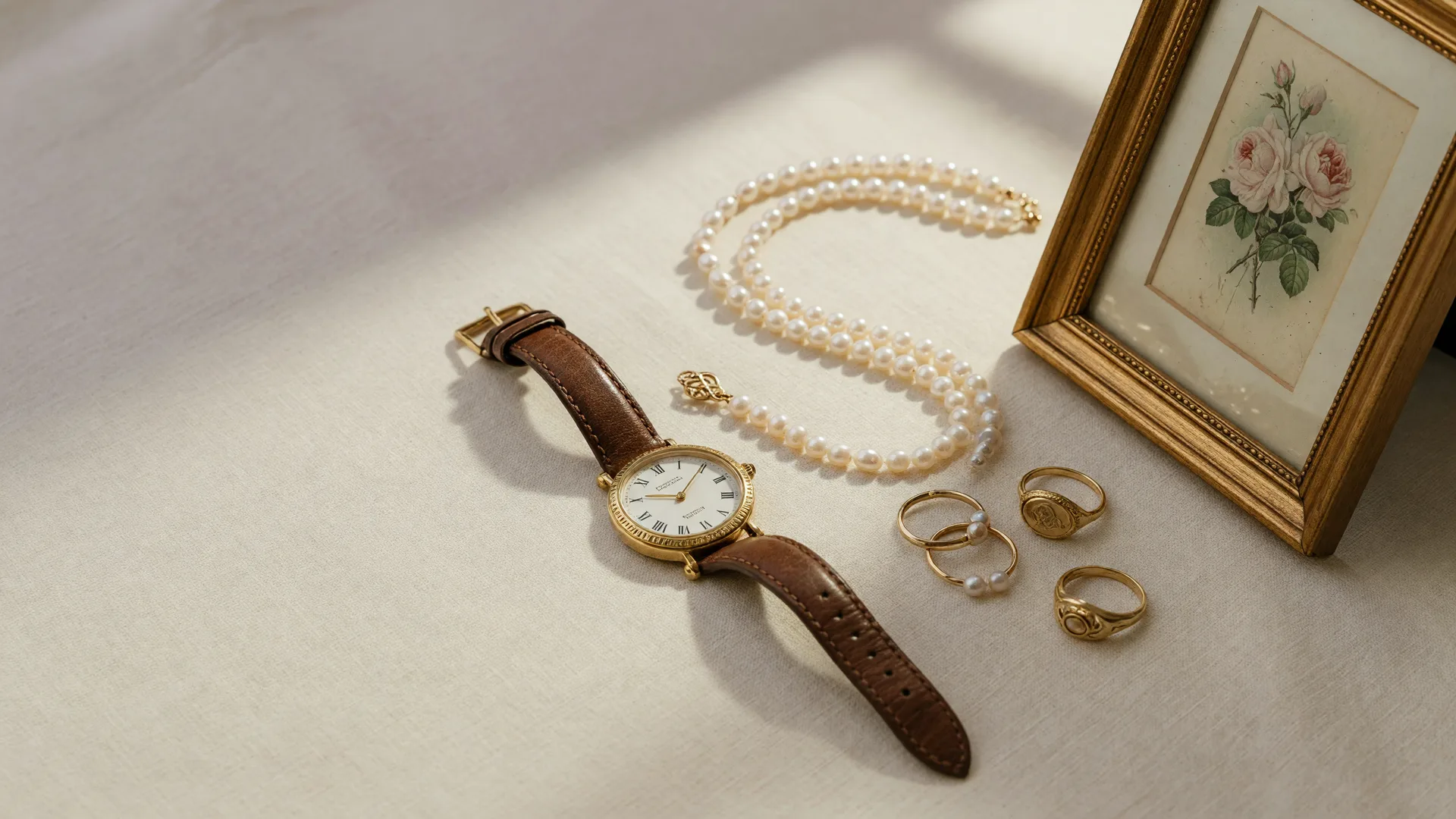
If you own a piece of jewelry, a watch, a work of art, or any collection with real value, it is worth understanding how your policy treats it. For most standard policies, valuable items have their own limits, and those limits are often far below what the piece is worth. Personal articles coverage is the tool that closes that gap, and it is simpler than it sounds.
Why standard contents limits fall short
A typical homeowners policy covers personal property up to a percentage of the dwelling limit, and it often applies a sub-limit to categories like jewelry, watches, and fine art. That sub-limit can be a small fraction of a single piece's value. If an engagement ring, a watch collection, or a painting exceeds it, the difference is simply not covered.
The other limitation is how claims are settled. Unscheduled items are often covered on a different basis than scheduled ones, and documentation matters. An heirloom with no appraisal and no record is hard to replace fairly after a loss.
How scheduling works
Personal articles coverage, sometimes called scheduling or a floater, is a way to list specific valuables on your policy with agreed values and coverage that follows them. Each item is described, valued, and covered individually, which is a very different situation from a general contents limit.
Because the items are scheduled with an agreed value, a covered loss is typically settled based on that agreed amount rather than a debate over depreciation. That makes documentation, appraisals, and keeping values current genuinely important.
- Jewelry, watches, and fine metals
- Fine art, antiques, and collectibles
- Musical instruments and photography equipment
- Rare coins, stamps, and other collections
What to prepare for the conversation
The best time to schedule a valuable is before something happens to it, not after. To make the conversation useful, gather appraisals or receipts, know roughly what each piece is worth, and consider whether you carry, wear, or display items outside the home, since use affects the right structure.
Values drift over time. A watch that was appraised at purchase can appreciate, and an art collection can do the same. Revisiting scheduled values as part of your annual review keeps the numbers honest.
“I have yet to meet someone who wished they had insured their grandmother's ring for less. Schedule the things that matter, and keep the paperwork where you can find it.”
Marcus Head
Common questions
Is scheduling worth it for a single valuable item?
If the item's value is a meaningful part of your net worth or has sentimental weight, yes. The premium for scheduled personal articles is often modest relative to the value protected, and the clarity it brings is real.
Do I need a new appraisal every year?
Not necessarily, but values should be current. Many policies allow you to update values as things change. Your advisor can help you figure out a sensible rhythm based on how volatile the values are.
Keep reading