
Insuring a second home or vacation property: what's genuinely different
A second property has a different risk profile: vacancy, rental use, winter weather, and distance. Here is how to think about it.
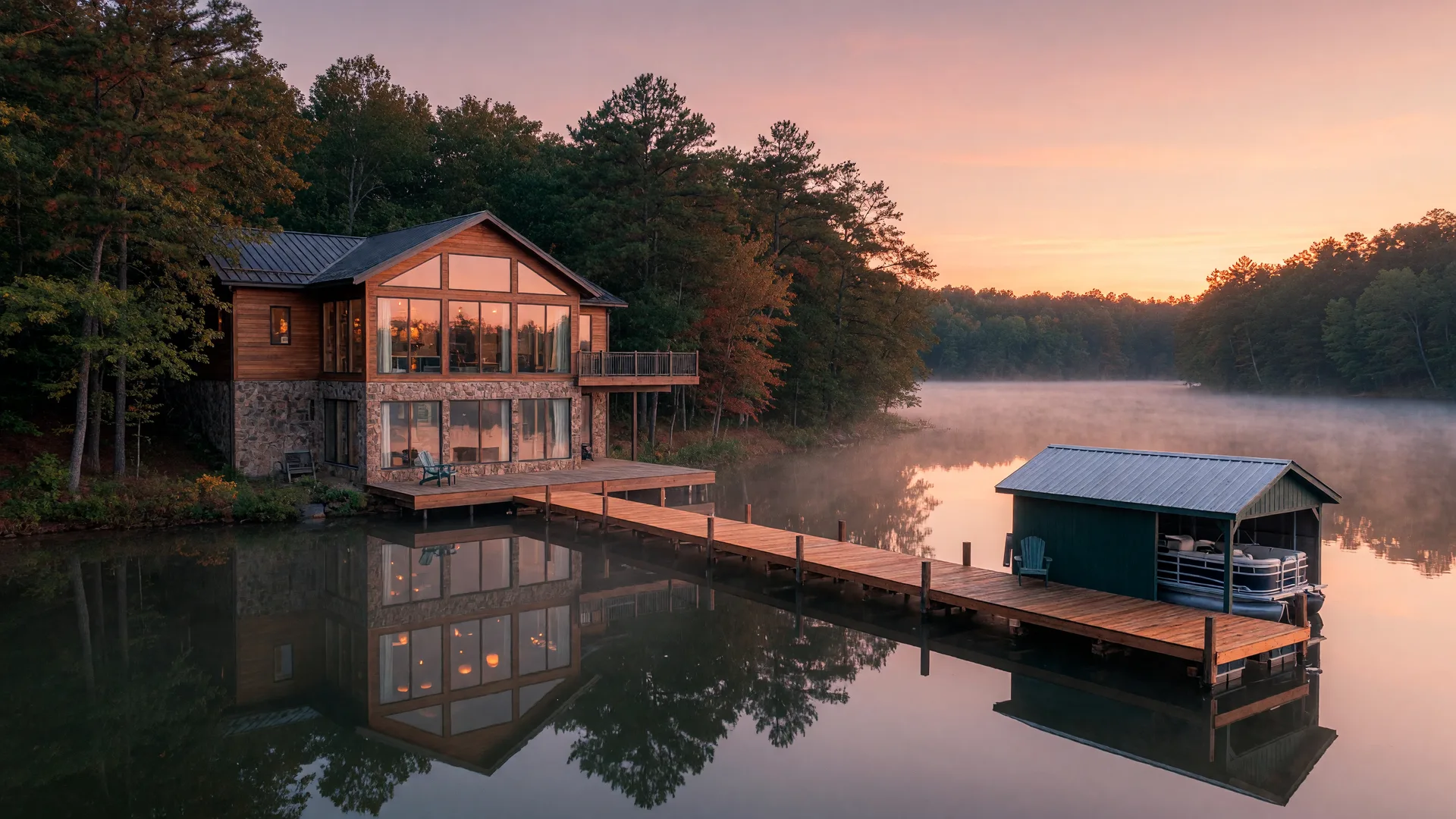
A second home is a different risk than a primary residence, and it deserves its own conversation. Whether it is a lake house in North Georgia, a mountain cabin, or a pied-a-terre closer to the city, the policy needs to reflect how the property is actually used, which is often very differently from how you live in your primary home.
What makes a second property different
A primary home benefits from constant presence: someone notices the leak, the frozen pipe, or the storm damage quickly. A second home sits empty for stretches, and time between visits is time for a small problem to become a large one. Many claims on second properties involve water, weather, and the simple fact that no one was there.
Vacancy matters to insurers. Some policies limit or exclude coverage when a property sits unoccupied for a long stretch, so the way the property is used, and the gaps in that use, should be part of the conversation from the start.
The big questions to settle up front
Before you choose coverage, an advisor needs to understand how the property works: whether you rent it out, how often you visit, who is responsible for maintenance, and how the property would be rebuilt in its particular location. Each answer changes the structure.
- Do you rent the property to guests, even occasionally? Rental use changes the risk profile.
- How long does the property sit vacant between visits?
- Is the property in a location with specific weather or wildfire exposure?
- What are the rebuilding costs and contractor realities in that area?
- Are the dock, boat, ATV, or other equipment covered or excluded?
Tying it into the whole picture
Most families own a second home alongside their primary residence, vehicles, and other assets, and all of it belongs in one review. The liability from a rental property, the boats moored at the dock, and the umbrella layer above them are best understood together rather than property by property.
“I have seen too many second homes insured like a primary home. The differences, vacancy, rental use, distance, are exactly what a good policy is built around.”
Marcus Head
Common questions
Do I need a separate policy for my second home?
Often a property that is rented or vacant for long periods is better served by a structure that reflects those realities. Whether that is a separate policy or a specialized form depends on the property and its use, which is worth a conversation.
What about the dock and the boat?
Waterfront property brings its own questions: the dock, the boat, personal watercraft, and liability around all of them. These are common additions to the conversation, and they are best handled together with your umbrella coverage.
Keep reading
More from the desk
What high-value home insurance actually covers (and what a standard policy misses)
5 min read
Umbrella insurance: the quiet layer that protects what you've built
5 min read